Steering Through the Budget: How the UK Autumn Budget 2025 Impacts Drivers

The 2025 Autumn Budget has sent shockwaves through the motoring world. Drivers across the UK are now about to feel changes under the bonnet - some good, some decidedly less so. The announcements from Chancellor Rachel Reeves have turned more than a few wheels in the motoring world. From fuel costs to electric-vehicle (EV) charges, here’s what has been confirmed - and how to steer ahead of the curve.
Fuel Duty: Relief… Or the Calm Before the Surge?
One of the most direct cost pressures for motorists is fuel duty. For years, the duty on petrol and diesel has been frozen at 52.95p per litre, providing some stability for drivers. However, with fiscal pressures mounting, analysts suggest the freeze may not hold for long.
For now, the Chancellor has kept fuel duty frozen. That should offer some relief to petrol and diesel drivers.
However, that freeze won’t last forever. As part of the Budget, it was decided that the temporary 5p-a-litre cut (introduced in 2022) will begin to be reversed after September 2026, meaning fuel costs could start creeping up again.
So, the freeze has been in place for a long stretch - 16 years - but the reversal hints that pump-price relief may be short-lived.
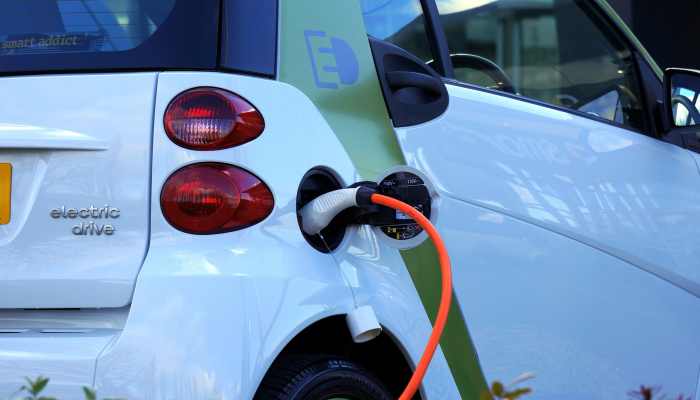
EV Incentives are about to shift
Major changes have been made to vehicle tax. From April 2025, electric vehicles lost their full VED exemption. They now face a small first-year charge (around £10), followed by an annual rate of about £195.
It’s not all bad news for EV proponents. The Government has sweetened the deal in some areas - even as it burdens EVs with a new tax.
The “Expensive Car Supplement” (a luxury-car tax for pricier vehicles) threshold for EVs is being raised. For EVs, the threshold moves from £40,000 to £50,000 - effective from April 2026. That means many EV buyers will avoid the extra tax for now.
The existing EV grant - which helps reduce upfront cost for eligible electric cars - has been extended until 2030, giving consumers more incentive to buy despite the new tax burden.
New EV Pay-Per-Mile Motor Taxation
The biggest - and most controversial - move is the introduction of a mileage-based charge for fully electric vehicles (EVs) and plug-in hybrids (PHEVs). From April 2028, EV drivers will pay 3p per mile; PHEV drivers will pay 1.5p per mile. An average driver putting 8,500 miles on the clock could pay an extra £255 a year under the new scheme. The Government expects this to raise £1.1 billion in the first year, rising to £1.9 billion by 2030-31 as the roll-out of EVs continues. EVs, long championed as cheaper-to-run alternatives to petrol cars, will now face a significant running cost - more like a “fuel duty for electricity.”
Public Infrastructure and Charging Costs
Because new taxes make EVs more expensive to run, the Budget also tries to offset that with improvements and support for charging infrastructure. The Government plans to increase funding for public EV chargers - part of a push to meet long-term charging targets, including support for home and workplace charging. A review will also take place in early 2026 to look at why public charging costs have ballooned recently (e.g. energy price hikes, VAT on charging, grid connection costs) - though as of the Budget announcement, no concrete reductions have been promised.

Who gains and who pays?
Now the Budget is out, it will become clearer who benefits and who may feel the changes. For EV pioneers - the the pay-per-mile tax is a rude awakening. One of the biggest selling points of switching to electric - low running costs - is now being chipped away. An extra £250–£300 per year might not sound massive, but over time it changes the economics considerably.
For petrol/diesel drivers - the freeze on fuel duty is welcome news, but it’s only a stay of execution. With rises scheduled from 2026/27 onwards, the savings might prove fleeting - especially if pump prices creep up again this winter.
For new-car buyers - the raised “luxury EV” threshold could make some higher-spec EVs more appealing, but only until April 2026. After that, the cost calculus may shift again.
For the future of motoring in the UK - the Budget signals a shift away from fuel-volume taxation (fuel duty) toward mileage-based charging. This raises big questions: will it discourage long-distance EV travel? Will people shift back to petrol/diesel cars or public transport?
If you’re in vehicle-planning mode, now is the time to model your future costs - not just purchase price, but tax, running and mileage.
Impacts on Your Car Coverage & Protection
At MotorEasy we can help you stay ahead - not just with what you pay at the pump or when you buy a car, but with how you protect it. With higher repair bills, shifting tax rules and rising costs, a full-service approach matters:
- Budget planning: With tax and duty changes, factor car running costs into the bigger picture now.
- Vehicle type matters: If you’ve got an EV, check how VED and tax changes apply. If you’re still driving petrol/diesel, keep the possibility of rising fuel duty in mind.
- Coverage counts: Repair bills have increased. A breakdown or major repair could hit harder than ever. Our warranties, GAP cover and tyre protection are tools to protect you from the unexpected.
- Act early: If you’re buying soon, the rules may shift. Getting in under older regimes could offer advantages.
The Autumn Budget 2025 points to a clear shift for drivers, with updates that will impact the cost of both traditional fuel and EV ownership in the coming years. Understanding these changes now makes it easier to plan - whether you’re looking at running costs, considering your next car, or managing your monthly budget. Keeping informed means, you can make confident decisions, whatever you drive.
This Budget isn’t just tweaking numbers - it's reshaping how we tax and think about motoring. The shift from per-litre fuel duty to per-mile EV charges marks a fundamental recalibration of the road tax model, apparently designed to protect Treasury revenues as EV adoption grows.
Whether this is fair, effective or smart - that’s for debate. But one thing is clear: for many motorists, the 2025 Budget will hit sooner than they expected.
At MotorEasy, we’ll be here to guide you through those changes, help you understand their impact, and provide the protection you need so your motoring experience stays predictable - even when the taxman enters the frame.